

Reading Fall Leaves

As autumn sweeps through South Carolina, transforming lush green canopies into a tapestry of reds, oranges, and yellows, it’s a crucial time for homeowners to play detective with their trees. While vibrant fall foliage is a natural spectacle, the leaves can also be critical indicators of your tree's overall health or hidden distress.
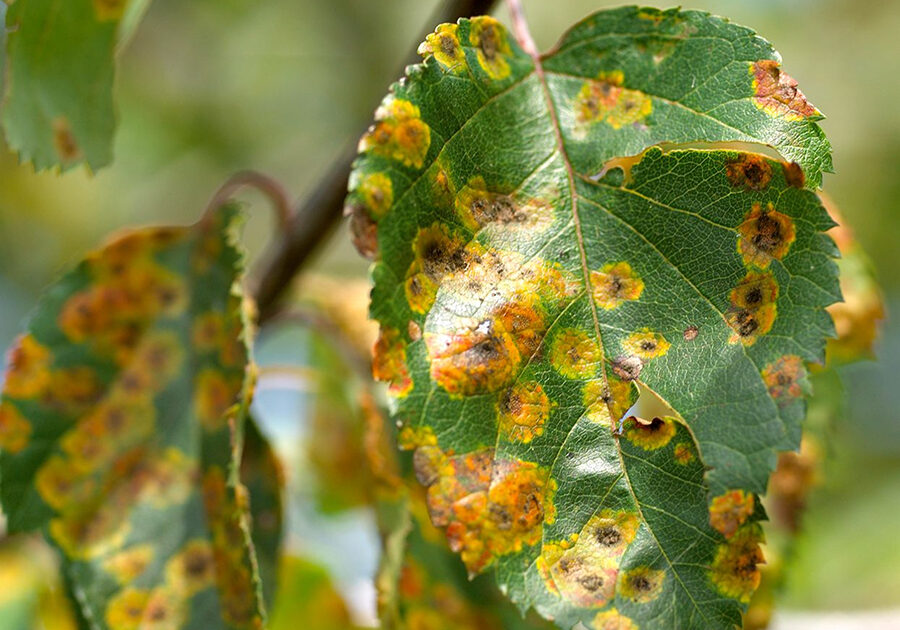
In a healthy South Carolina tree, fall leaf color change and eventual shedding typically occur between late October and late November, depending on the species and specific location. The leaves should display consistent, rich colors before browning and falling naturally. If your deciduous tree is shedding leaves prematurely (e.g., in September) or if the leaves are turning brown and brittle without a preceding vibrant color change, these are red flags suggesting underlying stress or disease.
Keep an eye out for discolored spots, unusual blotches, or premature yellowing/browning that doesn't align with typical fall senescence. These can be signs of fungal diseases like anthracnose or leaf spot, which, while often cosmetic, can indicate a weakened tree if severe. Similarly, look for chewing marks, holes, or distorted leaves. Pests such as fall webworms, bagworms, or spider mites can cause significant damage, even in autumn, and their presence can stress a tree preparing for dormancy.

Also, observe the pattern of leaf loss. Is it uniform across the tree, or are certain branches bare while others still hold green leaves? Irregular shedding can point to localized issues, root problems, or even vascular diseases that impede water and nutrient flow to specific sections.
By taking a few moments to inspect your tree's fall foliage, you can identify potential problems early. If you think you have a tree problem, or would like someone to look for you, contact your local arborist or Plant Health Care Expert. By spending just a little bit of time to look at your trees, you can plan ahead for a timely intervention and ensure that your trees remain healthy and beautiful for years to come.
Search
Recent Posts

Drive through almost any neighborhood in the Midlands of South Carolina, and you’re greeted…

As the vibrant greens of summer give way to the warm hues of autumn,…

If you’ve spent a spring afternoon in your Midlands garden, you might have noticed…

When fall arrives in the Midlands of South Carolina, we don’t always get the…

If you’ve ever stepped out of your house in Columbia during a humid July…