

Radiant Maples of the Midlands: A Homeowner’s Guide

When fall arrives in the Midlands of South Carolina, we don't always get the dramatic, sweeping color changes seen in the Blue Ridge Mountains. However, for the homeowner with a well-placed Maple tree, the landscape can still ignite with brilliant oranges, deep purples, and fiery reds. Maples are among the most beloved shade trees in Columbia, Lexington, and surrounding areas, but growing them successfully in our unique "hot-and-humid" climate requires a bit of local know-how.
Which Maples Thrive in the Midlands?
While the iconic Sugar Maple is the king of the North, it often struggles with our intense summer heat and sandy soils. For Midlands success, these species are the top performers:
- Red Maple (Acer rubrum): A native powerhouse. Look for cultivars like ‘October Glory’ or ‘Red Sunset,’ which are specifically bred to provide reliable fall color even after a warm South Carolina autumn.
- Trident Maple (Acer buergerianum): A smaller, incredibly tough tree that handles urban heat and drought better than almost any other maple. It’s perfect for smaller suburban lots.
- Japanese Maple (Acer palmatum): The "jewel" of the landscape. These require a bit more pampering—specifically protection from the harsh afternoon sun—but offer unmatched architectural beauty.
- Southern Sugar Maple (Acer floridanum): The heat-tolerant cousin of the northern Sugar Maple. It’s a great choice if you want that classic leaf shape and stately height without the "heat melt" of non-native varieties.

Common Challenges in Our Region
The Midlands climate presents two main hurdles for Maples: Heat Stress and Late Frosts. Because Maples are often "early risers," a warm spell in February can coax them into budding, only for a March freeze to zap the new growth (as we discussed in our previous post!).
Beyond the weather, watch out for Girdling Roots. Maples have shallow, aggressive root systems. In the heavy clay or compacted "red dirt" common in parts of the Midlands, roots may begin to circle the trunk rather than growing outward, eventually "strangling" the tree. If you see roots wrapping around the base of the trunk like a tight collar, it's time to take action.
Care Tips for Midlands Homeowners
- Mulch is Mandatory: Maples hate "hot feet." A wide ring of mulch (2–4 inches deep) mimics the forest floor, keeping the soil cool and moist during a 100°F July stretch. Just remember the "3-3-3" rule: 3 inches of mulch, in a 3-foot radius, kept 3 inches away from the trunk.
- Strategic Watering: During our frequent summer droughts, Maples need deep, infrequent watering. Aim for the "drip line" (the edge of the leaf canopy) to encourage roots to spread wide and deep.
- Avoid Summer Pruning: Pruning a maple in the heat of summer can lead to "sunscald" on the newly exposed bark. It is best to prune in late winter while the tree is dormant.
What to Watch For
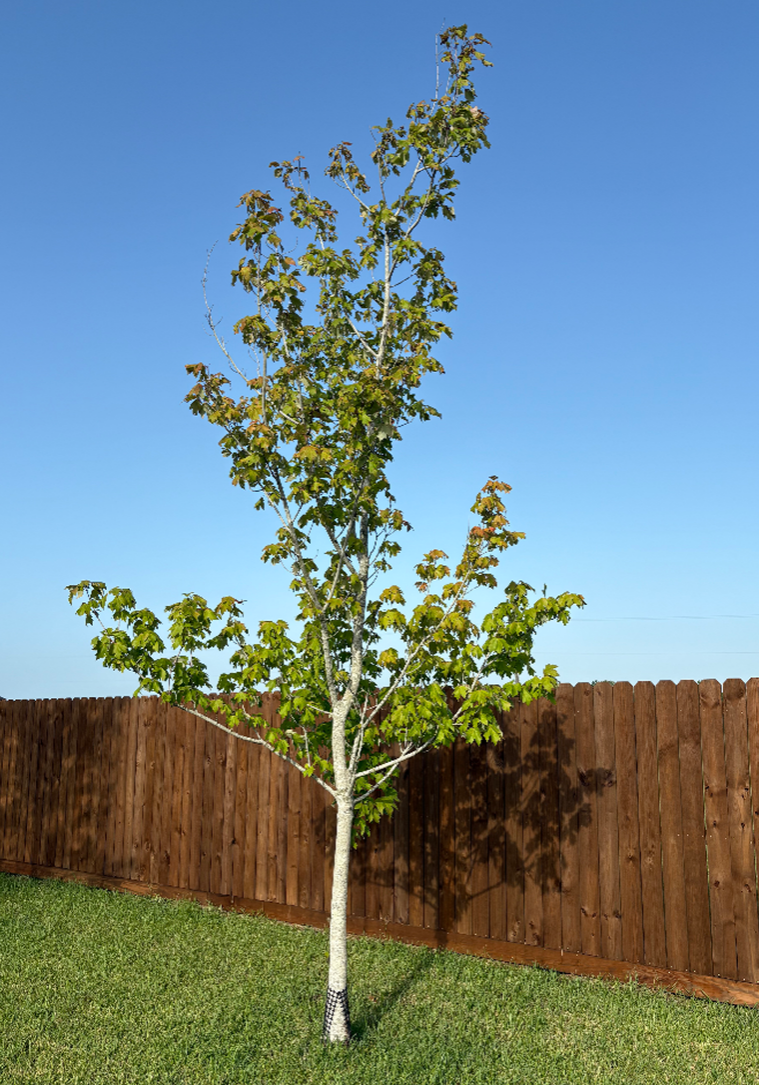
Keep an eye out for Tar Spot (small black spots on leaves) or Anthracnose. While these fungal issues look alarming, they are rarely fatal. However, if you see vertical cracks in the bark or dieback at the very top of the canopy, the tree may be suffering from more serious structural or root issues.
Maples are a long-term investment in your property's value and beauty. Because they are susceptible to specific regional pests and physiological stressors, a "wait and see" approach can sometimes be risky.
If you’re concerned about the health of your Maple or want to ensure your young tree is structurally sound, we highly recommend reaching out to a certified Arborist or a Plant Health Care expert to provide a professional assessment.
Search
Recent Posts

Arborvitaes, with their feathery foliage and evergreen charm, are a popular choice for landscaping.…

Your backyard oasis deserves to thrive, but sometimes, even the best intentions leave us…

Crape myrtles (Lagerstroemia) are the undisputed stars of summer landscapes, boasting vibrant blooms in…

The Dogwood, with its ethereal blooms and striking bark, embodies Southern charm. Despite the…

Spring Tree Diseases in South Carolina Spring in South Carolina is a time of…