

The Mighty Pines of the Midlands: A Homeowner’s Guide

Drive through almost any neighborhood in the Midlands of South Carolina, and you're greeted by the unmistakable sight of pine trees. These towering evergreens are more than just part of our landscape; they're an integral part of our ecosystem, providing shade, habitat, and that quintessential Southern fragrance. But while pines might seem self-sufficient, a little understanding can go a long way in ensuring they thrive in your yard.
Our Local Conifers: A Quick Look
In the Midlands, you'll most commonly encounter a few key pine species:
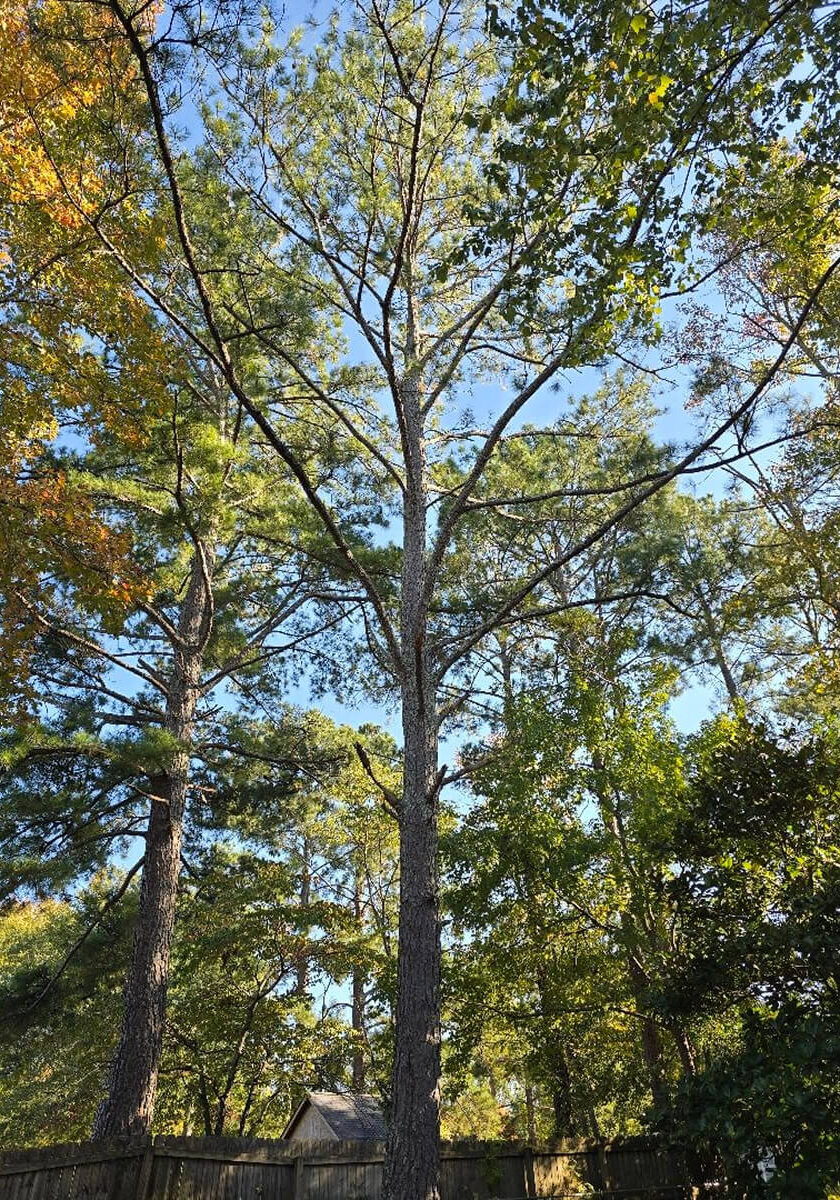
- Loblolly Pine (Pinus taeda): The most widespread pine in our region, often seen as a fast-growing timber tree. It can reach impressive heights and has relatively long needles in bundles of three.
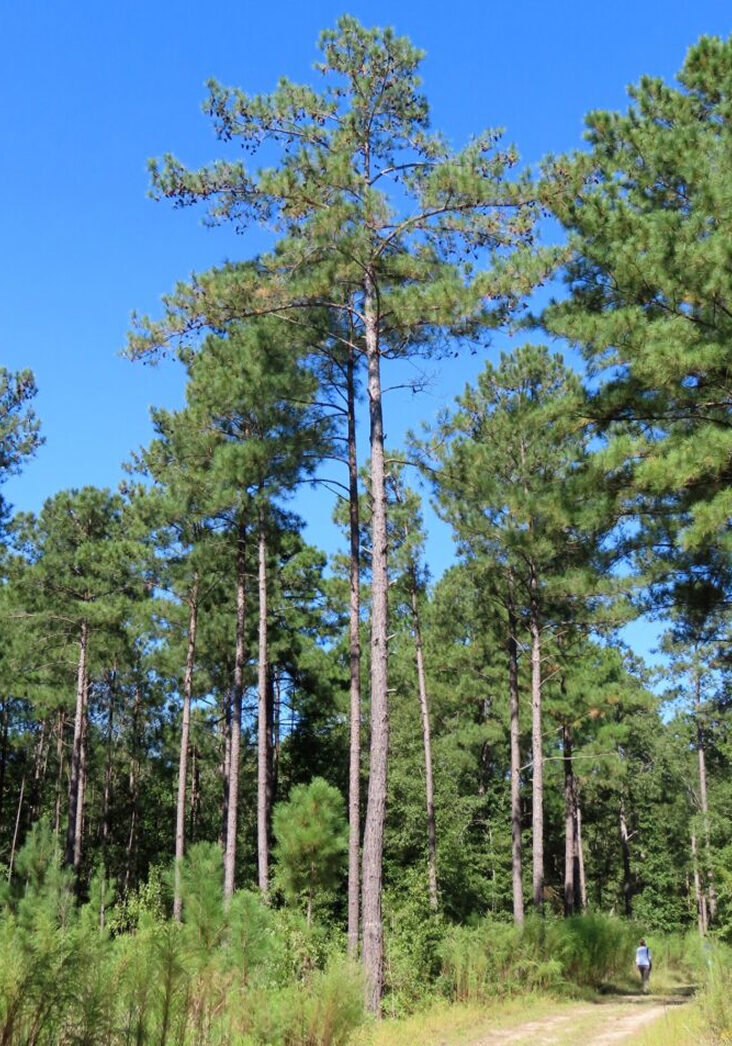
- Longleaf Pine (Pinus palustris): A magnificent, stately tree with exceptionally long needles (up to 18 inches!) in bundles of three. While historically dominant, it's less common in residential areas but prized for its beauty and resilience.
- Shortleaf Pine (Pinus echinata): Identified by its shorter needles (2-5 inches) usually in bundles of two or three. It's also a significant timber tree in the South.
- Slash Pine (Pinus elliottii): Often found in wetter areas, it has needles in bundles of two or three and is distinguished by its larger cones.
Common Pine Problems in Your Yard
Even these hardy giants aren't immune to issues. As a homeowner, being aware of potential problems can help you act quickly.
- Pine Bark Beetles: These tiny insects are a major threat. Look for small holes in the bark, pitch tubes (small blobs of resin) where the beetle tried to bore in, and fine sawdust around the base of the tree. Discoloration of the needles, turning yellow then reddish-brown, is a late sign of infestation.
- Pine Wilt Nematode: Carried by the Sawyer beetle, this microscopic worm can rapidly kill pines. Symptoms often include a sudden wilting and browning of needles, starting from the top down.
- Fungal Diseases (e.g., Annosus Root Rot, Fusiform Rust): Annosus root rot causes decay at the base of the tree, leading to instability. Fusiform rust creates large, orange, spindle-shaped galls on branches and trunks, often on loblolly and slash pines.
- Nutrient Deficiencies: Yellowing needles, especially in older trees, can sometimes indicate a lack of essential nutrients in the soil.
- Environmental Stress: Drought, compacted soil, or even too much irrigation can stress pines, making them more vulnerable to pests and diseases.
Homeowner Care and What to Look For
Taking care of your pines isn't complicated, but it does require observation.
- Watering: While established pines are drought-tolerant, newly planted trees benefit from consistent watering, especially during dry spells in their first few years.
- Mulching: A 2-3 inch layer of organic mulch around the base (but not touching the trunk) helps retain soil moisture, regulate temperature, and suppress weeds.
- Pruning: Pines generally don't need much pruning beyond removing dead, diseased, or damaged branches. Always prune with clean, sharp tools and avoid removing more than 25% of the canopy in a year.
- Observation: Regularly walk around your pines.
- Needle Color: Are they vibrant green or turning yellow/brown?
- Bark Condition: Do you see holes, pitch tubes, or fungal growths?
- Overall Vigor: Is the canopy full, or does it look sparse and unhealthy?
- Cone Production: Are there an unusual number of cones, or very few?
Early detection is key to saving a struggling pine. If you notice any of the warning signs mentioned above, it's time to act.
Pines are a defining feature of the Midlands, and with a bit of attention, they can continue to grace our landscapes for generations. If you’re concerned about the health of your pine trees, or just want to ensure they receive the best care, don't hesitate to seek out a certified arborist or a plant health care expert. They can accurately diagnose issues and recommend the best course of action to protect these magnificent trees.
Search
Recent Posts

Arborvitaes, with their feathery foliage and evergreen charm, are a popular choice for landscaping.…

Your backyard oasis deserves to thrive, but sometimes, even the best intentions leave us…

Crape myrtles (Lagerstroemia) are the undisputed stars of summer landscapes, boasting vibrant blooms in…

The Dogwood, with its ethereal blooms and striking bark, embodies Southern charm. Despite the…

Spring Tree Diseases in South Carolina Spring in South Carolina is a time of…