

The Lifeline of Your Landscape: Why Keeping Trees Matters in the Midlands

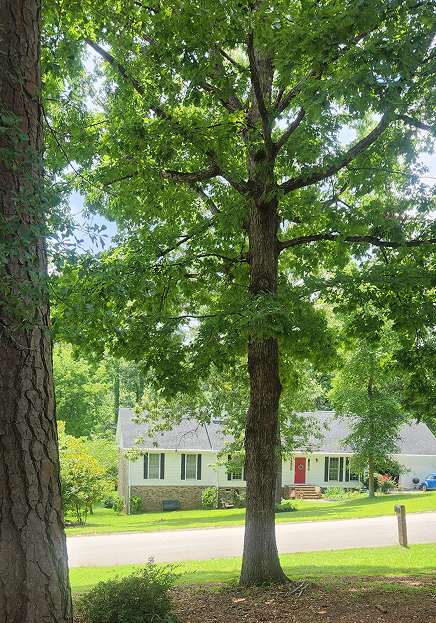
If you’ve ever stepped out of your house in Columbia during a humid July afternoon, you know that the shade of a mature Oak or Pine isn't just a luxury—it’s a necessity. In the Midlands of South Carolina, our trees do more than just look pretty; they are the hardworking infrastructure of our properties. From Lexington to Kershaw, homeowners often face the dilemma of whether to remove a large tree or invest in its preservation.
Here is why keeping those giants in your yard is one of the best decisions you can make for your home.

The "Midlands Cooler" Effect
Our region is famous for its "famously hot" summers. A well-placed deciduous tree, like a Red Maple or a White Oak, can act as a natural air conditioner. By shading your roof and windows, a mature canopy can lower your indoor cooling costs by up to 25%. In the winter, once those leaves drop, the sun can reach your home to provide natural warmth. Removing a healthy tree often leads to an immediate and unpleasant spike in your SCE&G or Dominion Energy bill.
Managing the "Sandhills" Soil and Storms
The Midlands sits on a unique geological transition zone. We have everything from heavy red clay to the deep, well-draining sand of the Sandhills. Trees are vital for soil stability in this environment. Their root systems act like an underground web, holding soil in place during our intense summer thunderstorms and preventing the erosion that can wash away your lawn or undermine your driveway.
Furthermore, trees are excellent at "stormwater interception." A single mature tree can capture thousands of gallons of rainwater in its canopy and root zone, reducing the amount of runoff that floods your flower beds or pools in your backyard.
Boosting Property Value
Real estate data consistently shows that homes with mature, well-maintained trees sell for 7% to 19% more than those without. In neighborhoods like Shandon, Forest Acres, or Lake Murray, the "curb appeal" of a leafy streetscape is a primary driver of home value. A tree is a growing investment; unlike a new deck or a kitchen remodel, a tree actually increases in value the older it gets.
What to Watch For: The "Red Flags"
Keeping a tree doesn't mean ignoring it. Because we live in an area prone to high winds and occasional ice storms, you should perform a "walk-around" inspection twice a year. Look for:
- Deep Cracks: Specifically where large limbs attach to the trunk.
- Fungal Growth: Mushrooms growing at the base (the "root flare") can indicate internal rot.
- Dieback: If the very top of the tree (the leader) is losing leaves while the rest is green, the tree is likely stressed.
- Construction Damage: If you recently had work done on your driveway or foundation, the roots may have been compacted or severed.
Preservation Over Removal
Many homeowners rush to remove a tree because they fear a falling limb. However, modern plant health care can often mitigate these risks without the "nuclear option" of cutting the tree down. Strategies like structural pruning, cabling and bracing, or soil aeration can breathe new life into a declining tree, allowing you to keep its benefits for decades to come.
Your trees are the silent guardians of your property. Rather than seeing them as a liability, view them as an essential asset that requires occasional professional maintenance.
Are you worried about a leaning trunk or a thinning canopy? The best way to ensure your landscape remains safe and vibrant is to consult with a certified Arborist or a Plant Health Care expert. They can provide a professional risk assessment and help you develop a long-term plan for your yard’s survival.
Search
Recent Posts

As autumn sweeps through South Carolina, transforming lush green canopies into a tapestry of…

In the Midlands of South Carolina, few things define our landscape like the mighty…

In the Midlands of South Carolina, our trees face a unique set of challenges.…

Living in the Midlands of South Carolina means living under a lush canopy of…

Oak trees are the pillars of the Midlands landscape. From the sprawling Live Oaks…