
 803 200 1915
The Great Awakening: Spring Pests
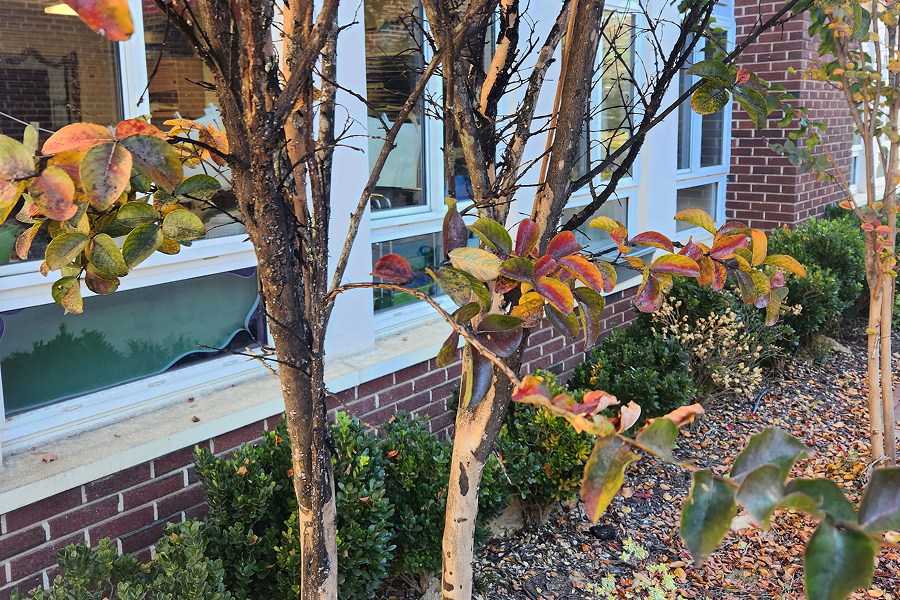
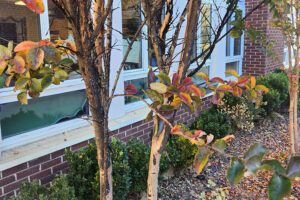
If you’ve lived in South Carolina for a few seasons, you know that spring doesn’t just arrive—it explodes. One week the pine pollen is coating your car in a yellow haze, and the next, the air is buzzing with life. But while we welcome the return of hummingbirds and butterflies, there is a less silent "awakening" happening right under our noses—and inside our trees.
In the Midlands of South Carolina, our humid subtropical climate means that as soon as the soil temperatures hit that magic mark, billions of overwintering insects begin to stir. For homeowners, understanding this "Great Awakening" is the first step in protecting your landscape from the surge of spring pests.
The Timing: Why Now?
In the South, insects don't just wake up on a specific calendar date; they follow Phenology. This is the study of how biological cycles (like insect emergence) align with climate and plant life. For instance, when the Forsythia blooms in your neighbor's yard, it’s often a biological "tripwire" that tells certain scale insects it’s time to hatch.
The Top Three Pests to Watch For
As your oaks, maples, and crepe myrtles begin to push out new, tender growth, these three local troublemakers are usually the first on the scene:
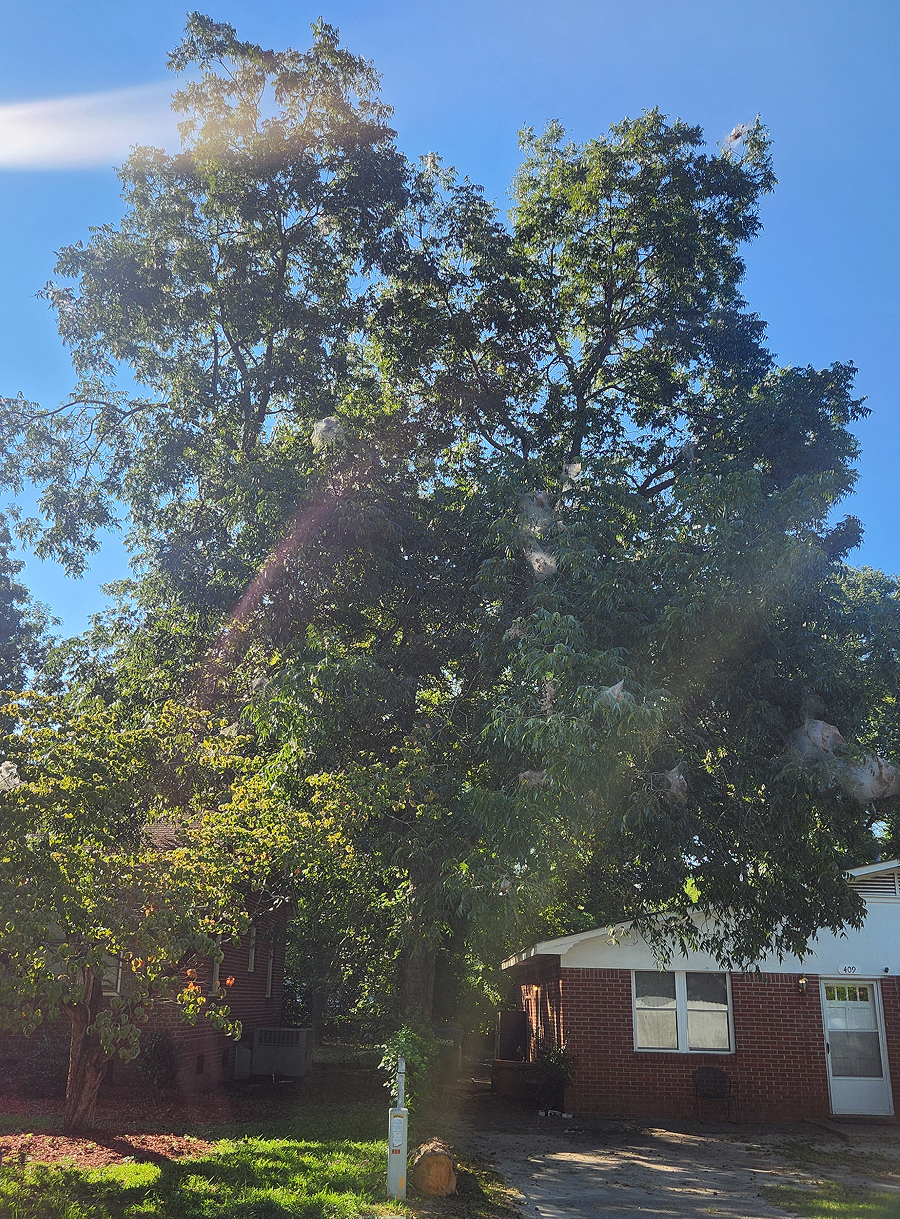
- Aphids & "Honeydew": Have you ever noticed your car or patio furniture feeling sticky in April? That’s not tree sap; it’s "honeydew," a sugary waste product from aphids. These tiny, pear-shaped insects cluster on the undersides of leaves, sucking the life out of new growth and often leading to a messy black fungus called Sooty Mold.
- Eastern Tent Caterpillars: Look for those tell-tale silken "tents" in the crotches of cherry or plum trees. While they rarely kill a healthy tree, a large infestation can completely defoliate a small ornamental tree in just a few days.
- Scale Insects: These are the "hidden" ninjas of the Midlands. They look like small bumps or waxy growths on the bark rather than moving bugs. If left unchecked during their spring "crawler" stage, they can slowly choke off a tree’s nutrient supply.
The Good Guys (And Why We Wait)
It is tempting to reach for a heavy-duty spray the moment you see a bug, but hold your fire. Spring is also when our beneficial insects—like ladybugs, lacewings, and predatory wasps—return to the garden. These "good guys" provide free pest control. Using broad-spectrum pesticides too early can kill the predators, leading to an even bigger pest explosion a few weeks later.
Proactive Protection
Instead of reacting to a crisis, focus on tree health. A stressed tree emits chemicals that actually attract pests. Ensuring your trees are properly mulched and hydrated during our early-season dry spells is your best defense.
However, identifying the difference between a harmless native moth and a destructive invasive species can be tricky. Because the Midlands environment moves so fast, a small problem in March can become a dead tree by June.
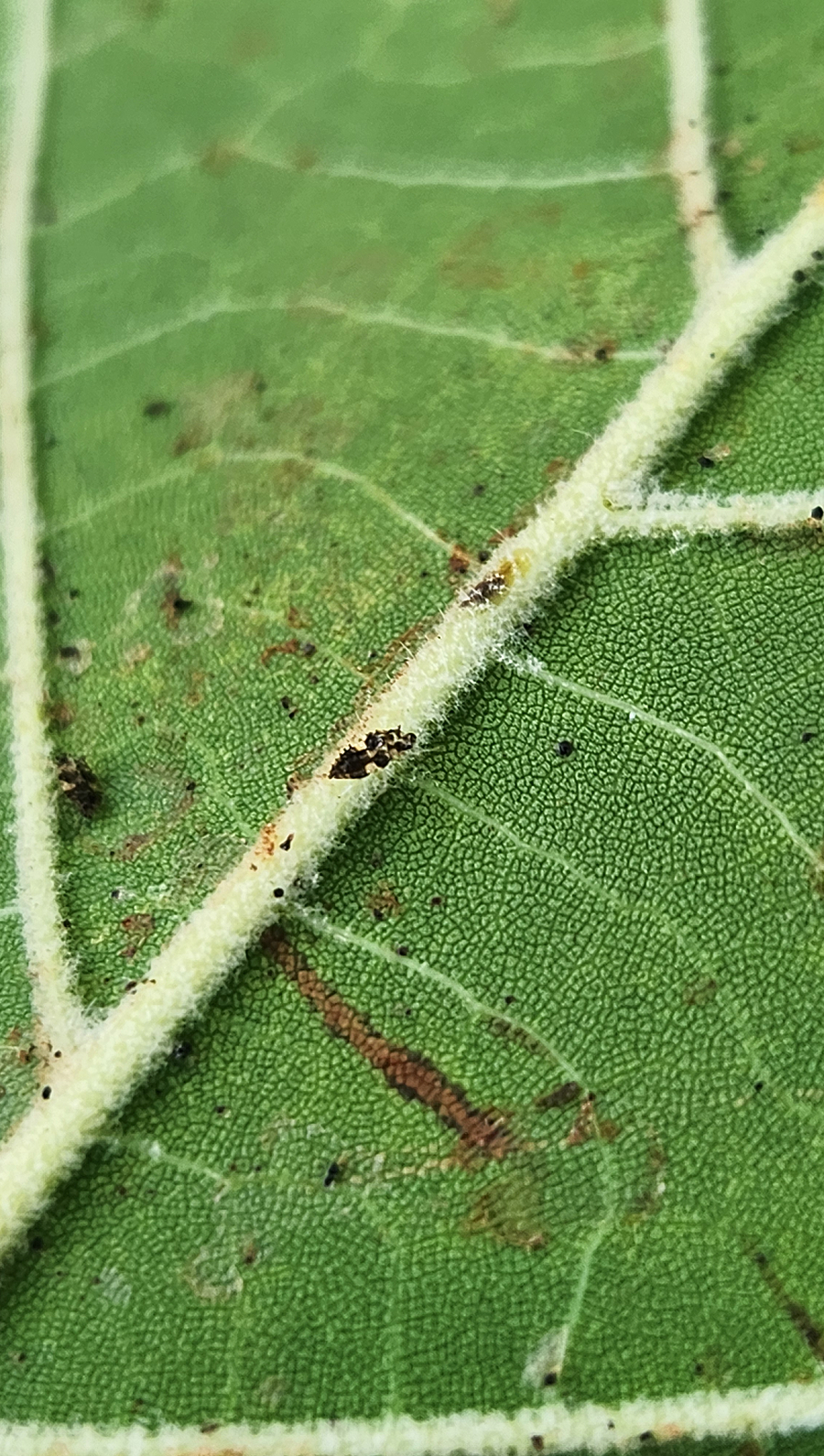
Don't leave your canopy to chance. If you notice unusual spotting on your leaves, "bleeding" bark, or early leaf drop, it’s time to call in the pros. We highly recommend seeking out a Certified Arborist or a Plant Health Care (PHC) expert to conduct a spring inspection. They can provide targeted treatments that protect your trees while keeping our local ecosystem—and the "good bugs"—thriving.
Search
Recent Posts
If you’ve lived in the Midlands of South Carolina for more than a single…
If you’ve lived in South Carolina for a few seasons, you know that spring…
- « Previous
- 1
- 2
- 3