
 803 200 1915
Protecting Your Midlands Landscape from the “False Spring”
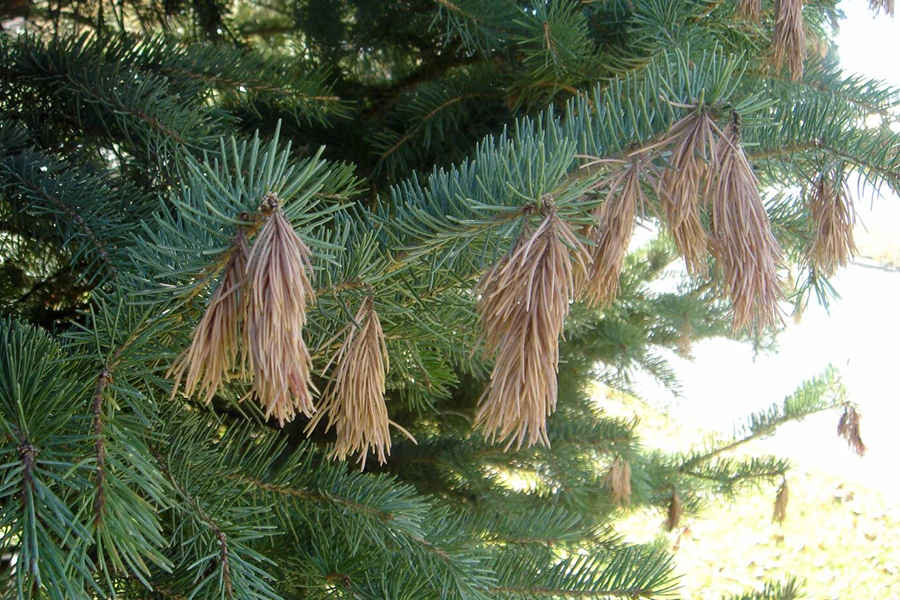
If you’ve lived in the Midlands of South Carolina for more than a single season, you know the drill. Late February or March arrives with a deceptive 75°F breeze. The azaleas start to pop, the Bradford pears (bless their hearts) turn white, and our majestic Japanese Maples begin to unfurl those delicate, tissue-paper leaves.
Then, the "False Spring" ends. A Canadian cold front dips south, and suddenly, we are looking at a hard freeze in late March or even early April. For a homeowner in Columbia, Lexington, or Blythewood, this isn't just a nuisance—it’s a threat to the health of your trees.
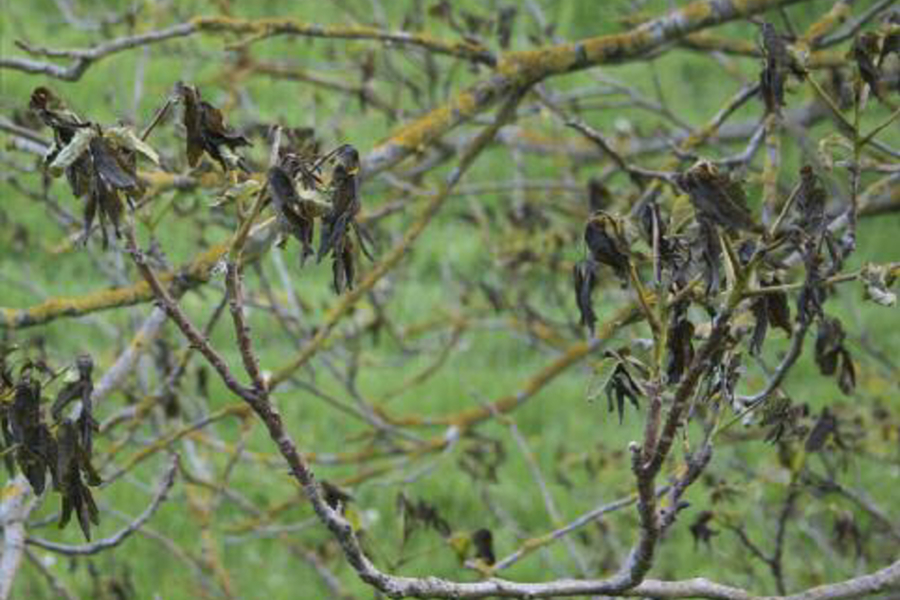
Why Late Frost is Different
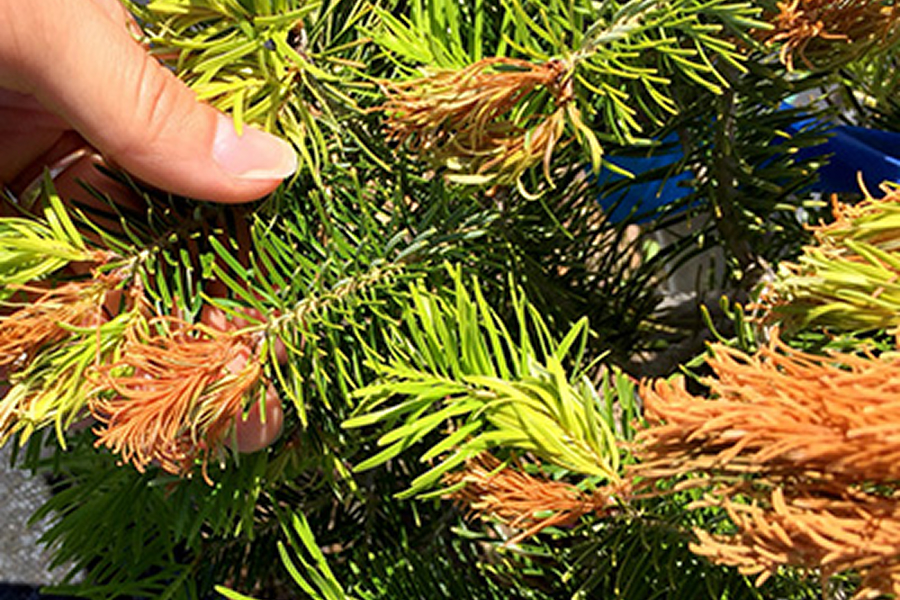
Trees are remarkably resilient during the dead of winter. When they are fully dormant, they can handle temperatures well below freezing. However, once the Midlands heat triggers sap flow and bud break, the tree’s internal chemistry changes. The new growth is full of water; when that water freezes, it expands and ruptures the plant's cells.
Which Trees are Most at Risk?
In our region, certain trees are more susceptible to the "Z-curve" of South Carolina spring temperatures:
- Fruit Trees: Peaches and plums are notorious for blooming early and losing their entire crop to a single night of frost.
- Ornamental Maples: Varieties like the Japanese Maple have thin bark and tender early leaves.
- Hydrangeas and Camellias: While technically shrubs, these landscape staples often suffer "bud blast," where the flower buds die before they can open.
Survival Strategies for Homeowners
If the local meteorologist warns of a frost after a warm spell, don’t panic. There are three key steps you can take to protect your investment:
- Water Heavily Before the Freeze It sounds counterintuitive, but moist soil stays warmer than dry soil. Wet soil absorbs more solar radiation during the day and radiates that heat upward at night. Furthermore, a well-hydrated tree is less stressed and better able to withstand the physiological shock of the cold.
- The "Drip Line" Covering Method For smaller or newly planted ornamental trees, covering is essential. Use fabric (old bedsheets or burlap) rather than plastic. Plastic can trap moisture against the leaves and actually cause more freeze burn.
Pro-Tip: Ensure the cover extends all the way to the ground and is weighed down. This traps the geothermal heat rising from the soil, creating a small "tent" of warmth around the trunk.
- Mulch Matters A thick 3-inch layer of pine straw or wood chips acts as insulation for the root system. In the Midlands, our soil doesn't freeze deep, but mulch helps regulate the temperature swings that can confuse a tree’s root system into "waking up" too early.
If you ever have any questions on how to prune or mulch, it can always be helpful to consult an arborist or plant health care expert to guarantee that you know what you are doing and have the right tools for the job.
Search
Recent Posts
If you’ve lived in the Midlands of South Carolina for more than a single…
If you’ve lived in South Carolina for a few seasons, you know that spring…
If you’re a homeowner in Columbia, Lexington, or Aiken, chances are you’ve seen-or perhaps…
Building your dream home on the waterfront is exciting, but don’t forget the silent…
- « Previous
- 1
- 2
- 3