
 803 200 1915
Sudden Oak Death
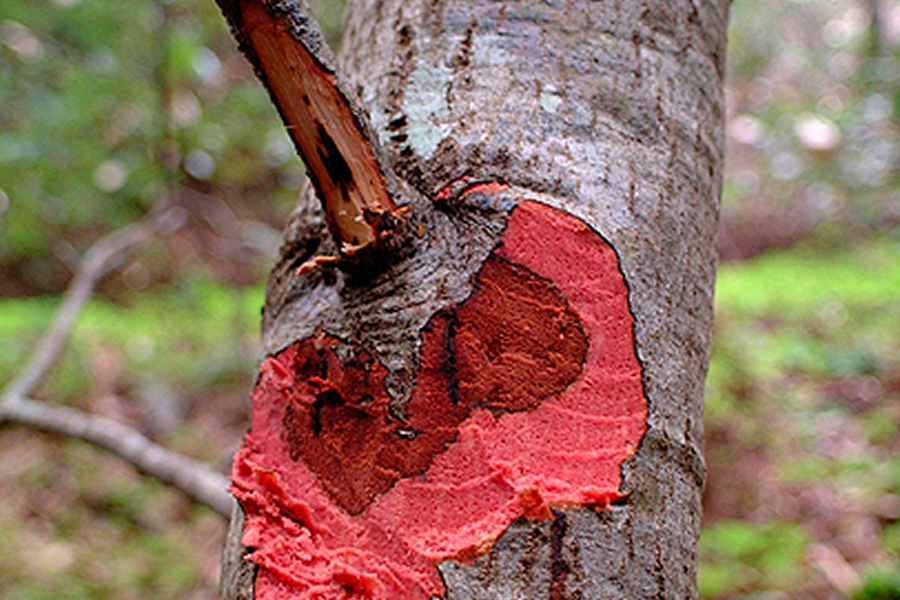
Understanding Sudden Oak Death
Sudden Oak Death (SOD), caused by Phytophthora ramorum, is a serious threat that homeowners in South Carolina need to be aware of. Although not yet widespread in the state, the pathogen has been detected, primarily on nursery stock. Its potential to devastatingly impact our native oak species, a cornerstone of South Carolina's natural beauty, makes vigilance crucial.
For homeowners, early detection hinges on careful observation of both oaks and potential host plants. On oaks, look for:
- Bleeding cankers: Dark, reddish-brown sap oozing from lesions on the trunk or branches.
- Rapid decline: A sudden wilting and browning of leaves, often remaining on the tree.

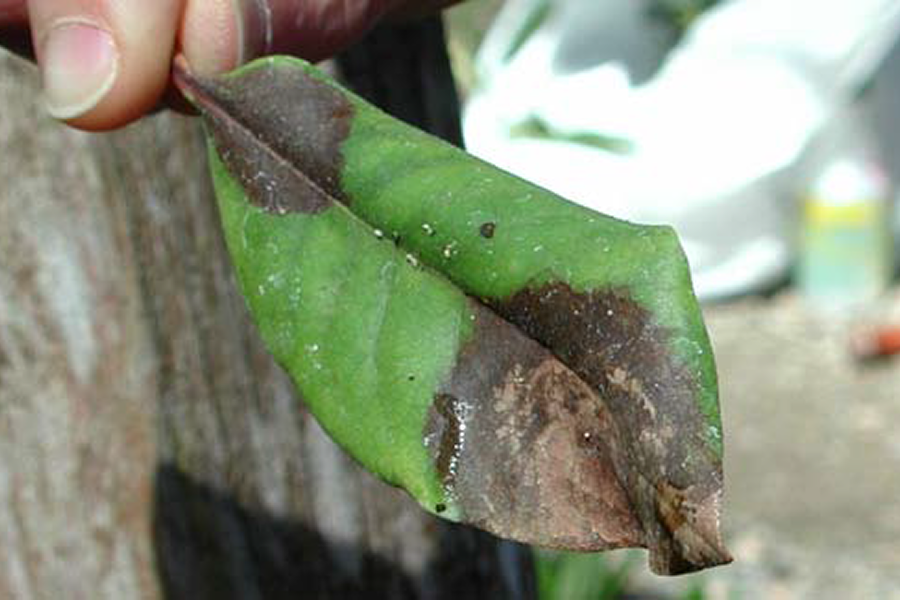
Beyond oaks, P. ramorum can infect a wide range of common landscape plants without killing them, making them "foliar hosts." These include rhododendron, camellia, viburnum, and even some common azaleas. On these hosts, symptoms typically appear as:
- Leaf spots: Irregular dark spots or blotches on leaves.
- Twig dieback: Browning and death of small branches.
The pathogen thrives in moist conditions, so symptoms might be more noticeable during wet periods. If you observe any of these symptoms on your oak trees or other susceptible plants, do not wait. Early reporting is critical to prevent the spread of this destructive disease. Make sure to contact a Plant Health expert to treat your trees as soon as possible. Avoid moving any potentially infected plant material. By acting quickly and contacting the experts, South Carolina homeowners can play a vital role in protecting our invaluable oak forests from Sudden Oak Death.
Search
Recent Posts
Arborvitaes, with their feathery foliage and evergreen charm, are a popular choice for landscaping.…
Your backyard oasis deserves to thrive, but sometimes, even the best intentions leave us…
Crape myrtles (Lagerstroemia) are the undisputed stars of summer landscapes, boasting vibrant blooms in…
The Dogwood, with its ethereal blooms and striking bark, embodies Southern charm. Despite the…
Spring Tree Diseases in South Carolina Spring in South Carolina is a time of…