

Pine Beetles in the Midlands

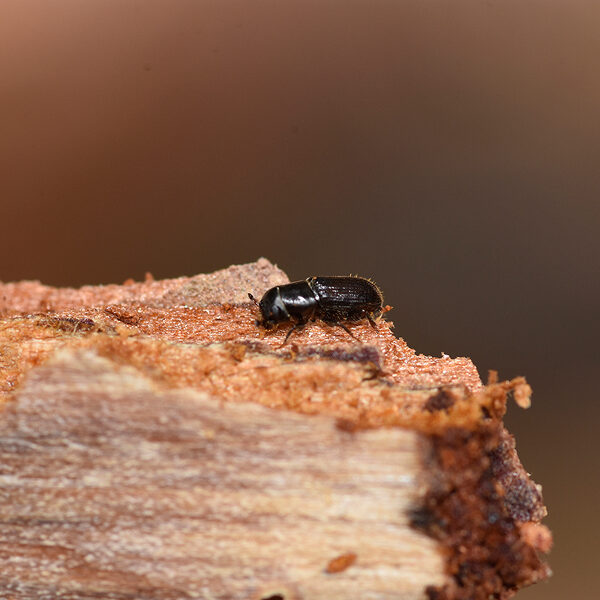
If you’re a homeowner in the Midlands of South Carolina, from the sandy hills of Lexington to the historic streets of Columbia, your pine trees are more than just landscape—they are part of our region’s identity. However, there is a tiny, destructive force currently threatening our local canopy: Pine Beetles.
Specifically, the Southern Pine Beetle (SPB) is the most notorious of the bunch. While these insects are native to South Carolina, environmental stressors like recent droughts and heatwaves have made our local pines especially vulnerable. Understanding how to spot an attack before it’s too late is essential for every homeowner.
How They Attack
Pine beetles don't just eat leaves; they are "bark borers." They tunnel into the inner bark (the phloem), which is essentially the tree's vascular system. By chewing intricate, S-shaped galleries under the bark, they effectively girdle the tree, cutting off the flow of water and nutrients.
To make matters worse, these beetles often carry a "blue-stain fungus." This fungus hitches a ride on the beetles and clogs the tree’s water-conducting tissues, speeding up the tree's death—often in a matter of weeks.
Three Warning Signs to Watch For
Because pine beetles are smaller than a grain of rice, you won't see the bugs themselves. Instead, look for these "red flags" on your Loblolly, Longleaf, or Shortleaf pines:
- Popcorn-Sized "Pitch Tubes": When a beetle bores in, the tree tries to "pitch" it out with resin. This creates small, white or reddish globs of sap on the trunk that look like bits of popcorn.
- Boring Dust: Look at the base of the tree or in the crevices of the bark. If you see fine, reddish-brown "sawdust" (called frass), it’s a sign that beetles are actively excavating.
- Crown Discoloration: This is often the first thing homeowners notice from a distance. The needles will fade from a healthy green to a sickly yellow, then eventually to a bright reddish-brown. Once the crown is red, the tree is unfortunately already dead or dying.

Prevention is the Best Cure
Healthy trees are surprisingly good at defending themselves; they can literally drown invading beetles in sap. You can help your trees stay "armed" by:
- Deep watering during our blistering Midlands summers.
- Mulching to keep roots cool and moist.
- Avoiding root damage from construction or heavy lawn equipment.
Why You Need a Professional
If you suspect an infestation, time is of the essence. One infested tree can quickly become a "spot" that spreads to your neighbor's yard or the rest of your property. Because some treatments involve specialized trunk injections or high-pressure preventative sprays, this isn't a DIY project.
Furthermore, a dead pine becomes brittle and dangerous very quickly in our storm-prone region. We strongly recommend seeking out a certified Arborist or a Plant Health Care expert. They can accurately identify which species of beetle is attacking (as treatment for the Southern Pine Beetle differs from the less aggressive Ips beetle) and help you create a plan to save your remaining trees.
Search
Recent Posts

Arborvitaes, with their feathery foliage and evergreen charm, are a popular choice for landscaping.…

Your backyard oasis deserves to thrive, but sometimes, even the best intentions leave us…

Crape myrtles (Lagerstroemia) are the undisputed stars of summer landscapes, boasting vibrant blooms in…

The Dogwood, with its ethereal blooms and striking bark, embodies Southern charm. Despite the…

Spring Tree Diseases in South Carolina Spring in South Carolina is a time of…