

Lake Construction

Building your dream home on the waterfront is exciting, but don't forget the silent sentinels guarding your property: the trees. Renovations and lakefront living present unique challenges for your arboreal neighbors. Here are some crucial considerations before you begin.

Tree Talk:
- Know your trees: Identify the species and age of your trees. Mature trees provide shade, privacy, and erosion control, while younger ones might be more adaptable to construction.
- Health check: Assess their health with a certified arborist. Diseased or damaged trees pose safety hazards and may need removal before construction begins.
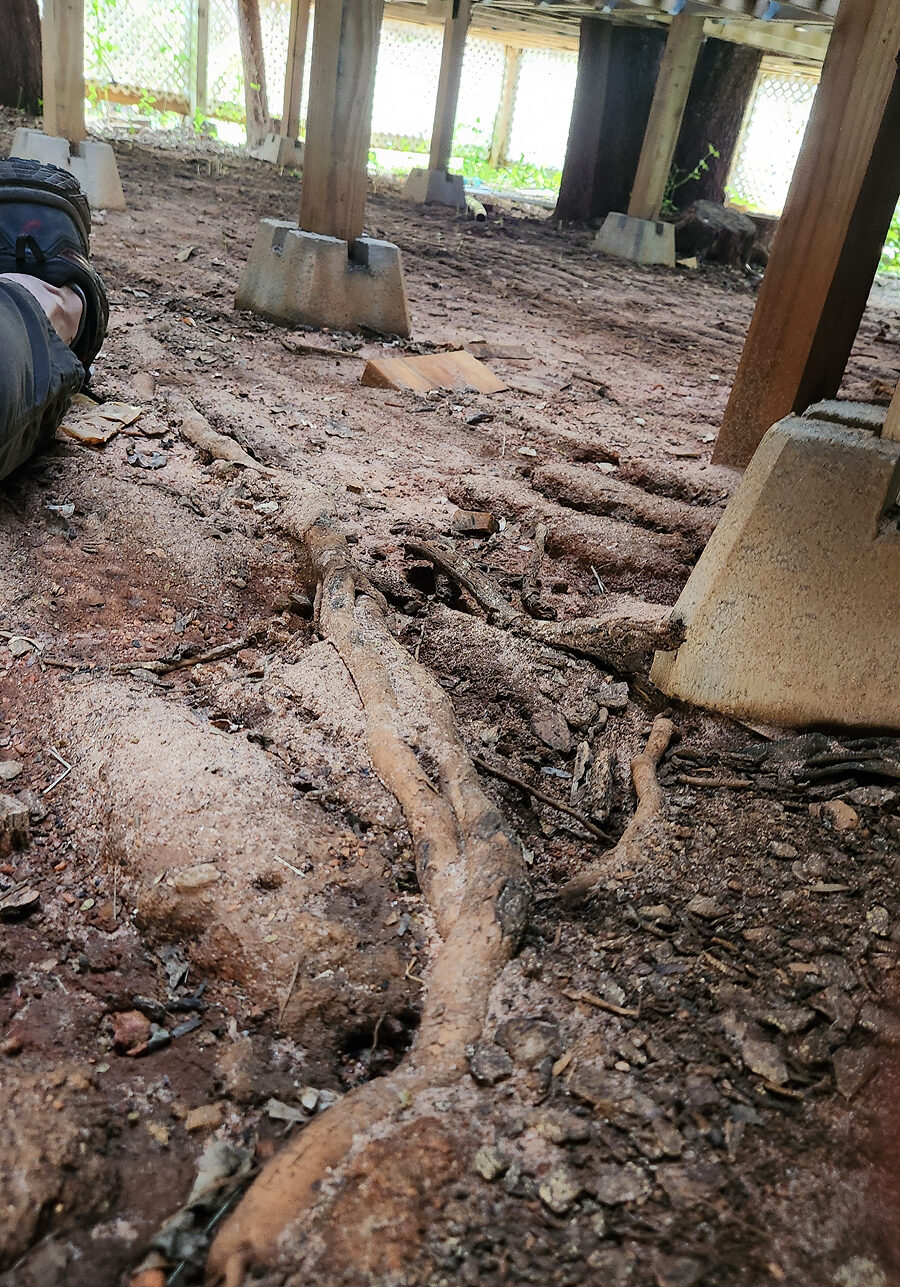
- Root systems: Understand the root zones of your trees. Construction that disrupts or damages roots can severely impact their health and stability.
Planning with Trees in Mind:
- Minimize impact: Plan your renovation layout to minimize tree removal. Consider alternative designs that incorporate existing trees as natural features.
- Protected species: Research local regulations regarding protected tree species. Permits or specific measures might be required for removal or disturbance.
- Tree protection zones: Establish tree protection zones around trees you want to preserve. These demarcate areas off-limits to construction activity, protecting roots and preventing soil compaction.
Construction Cautions:
- Root barriers: If unavoidable, consider root barriers to protect sensitive roots from excavation damage. Consult an arborist for proper installation.
- Grading and soil changes: Avoid altering the soil level around trees, as this can disrupt drainage and suffocate roots.
- Construction materials: Choose non-toxic materials for construction near trees to avoid harming their health.
- Heavy machinery: Minimize heavy machinery operation near trees to prevent root compaction and soil damage.
Beyond Construction:
- Post-construction care: Monitor your trees after construction for signs of stress or damage. Provide proper watering and fertilization as needed.
- Pruning with purpose: Prune carefully to avoid further weakening stressed trees. Consult an arborist for proper pruning techniques.
- Long-term benefits: Remember, healthy trees add immense value to your property, improve air quality, and provide wildlife habitat. Invest in their care for long-term benefits.
Seek Expert Help:
Consulting a certified arborist early in the planning process is crucial. They can assess your trees, advise on minimizing impact, and recommend construction practices that safeguard their health. Remember, trees are living beings, and a little foresight can ensure they continue to thrive alongside your dream lakefront home.
By following these considerations, you can navigate your lakefront renovation while respecting the natural wonders that grace your property.
Search
Recent Posts

Arborvitaes, with their feathery foliage and evergreen charm, are a popular choice for landscaping.…

Your backyard oasis deserves to thrive, but sometimes, even the best intentions leave us…

Crape myrtles (Lagerstroemia) are the undisputed stars of summer landscapes, boasting vibrant blooms in…

The Dogwood, with its ethereal blooms and striking bark, embodies Southern charm. Despite the…

Spring Tree Diseases in South Carolina Spring in South Carolina is a time of…